SCROLL DOWN TO THE N A SONJE MEMORY VILLAGE SLIDE SHOW

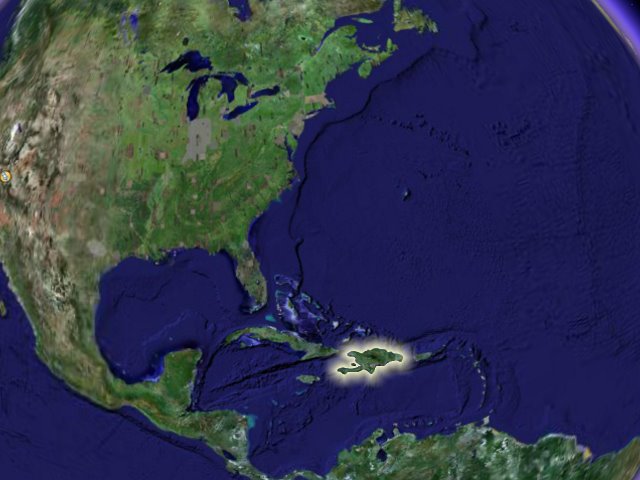
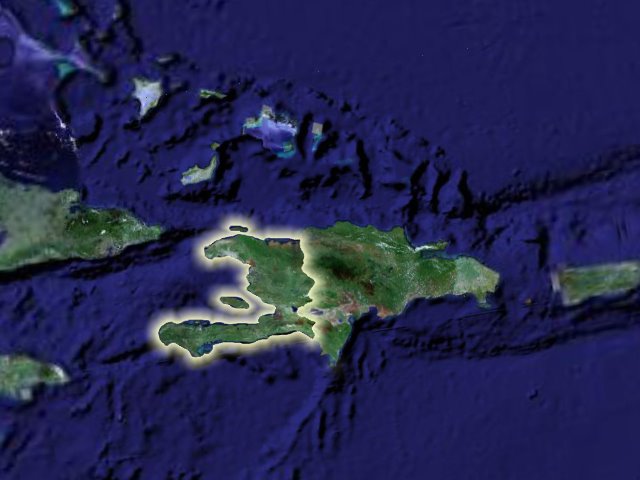
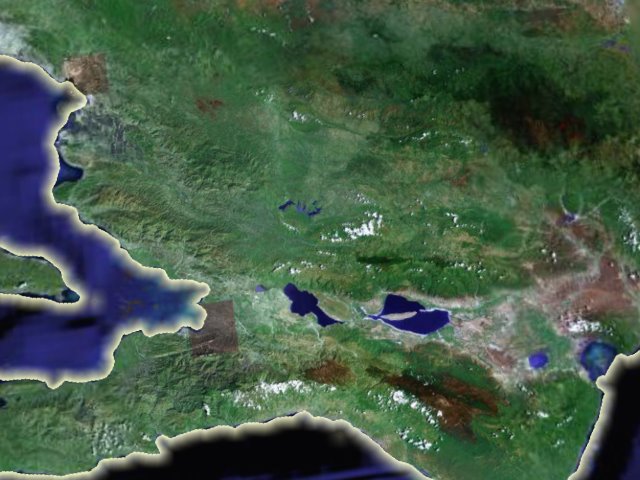
First read about the history and evolution of the Memory Village that is posted on the left along with photos of the designated land on the right. For a step-by step journey through the village, scroll down to the bottom and start at the photo "N a Sonje, We will remember"
Wednesday, April 11, 2007

1st public announcement April 2002

Ari’s first drawing at the turn of the millenium 1999-2000.

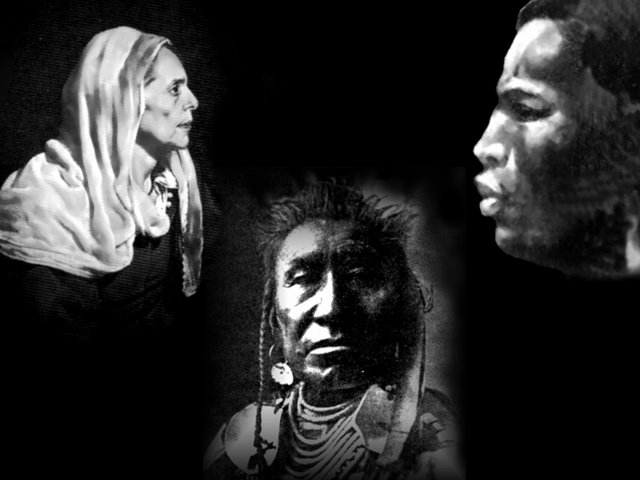
"N a Sonje” Foundation, a non-profit activity independent from DOA/BN, has as its first activity a living museum, The Memory Village. This will be in the form of an alternative interactive historical park where people will be able to retrace and most importantly, relive the most crucial points of the history of the slave trade, from the prosperous period of the great African empires and Native American civilizations before the time of colonization, up to the revolt of the slaves of Ayiti (original spelling of Haiti) which gave birth to its independence as the first nation of free men and women, and the first black state of modern times, January 1, 1804.

In honor of the 200th year anniversary of Haiti's independence which marked the beginning of the end to the slave trade for the whole world, Foundation "N a Sonje" will be offering, to the worldwide public, The Memory Village. (even though this was written in 2002 and not able to be realized for the bicentennial celebration of 2004 we still dedicate this work to the memory of the ancestors of Haiti)

Excerpts from a newsletter to our friends

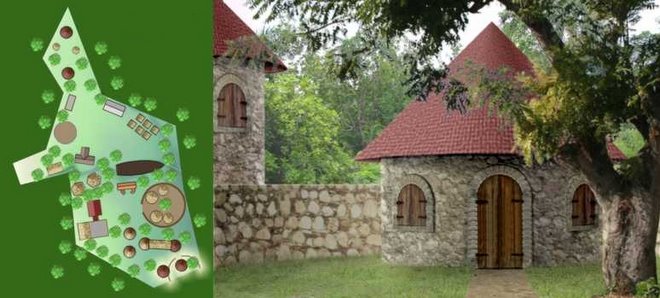
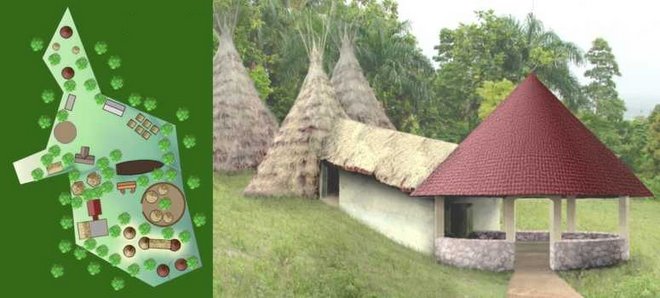
Drawing by Leah Bluntschli

"... we have a dream:
Building a living museum “Afrik-Kiskeya-Ayiti” village for the 2004-200 year anniversary of independence.
Here is our mission statement:

“To reconstruct for the purpose of education and conscientization of the present generations and those to come of the historical memory of colonisation, the slave trade, the genocide of Africans and Native Americans as precisely as possible from the Haitian point of view by building an African, Quisqueyan, Ayitian village: a living museum/university where those of every nation may come and relive those historical realities in order to bring healing and redemption.”

excerpts from 2nd public letter about the land July 2002

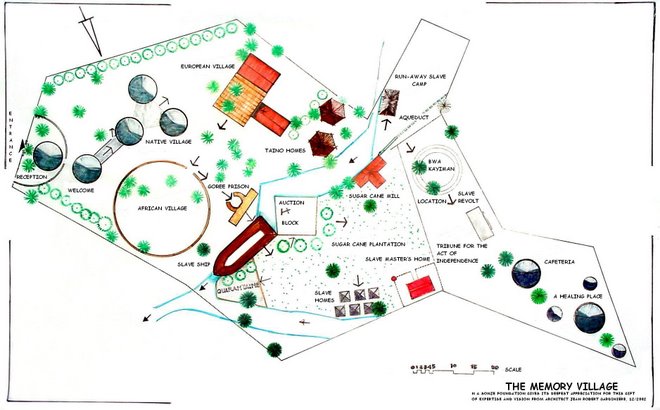
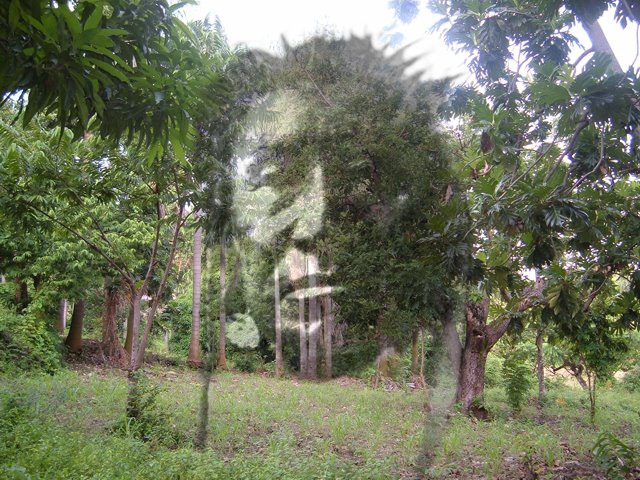
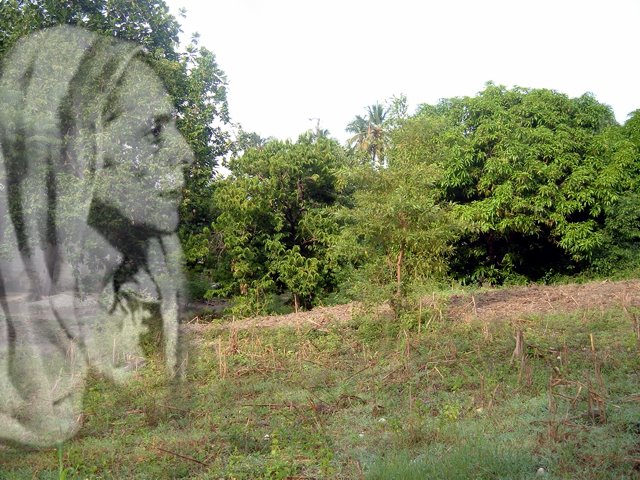
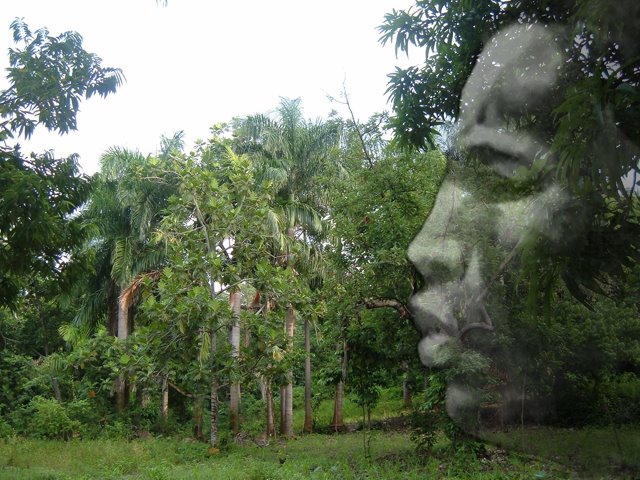
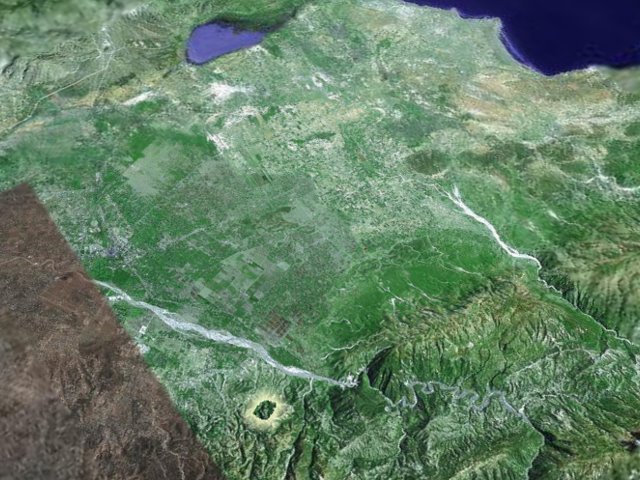
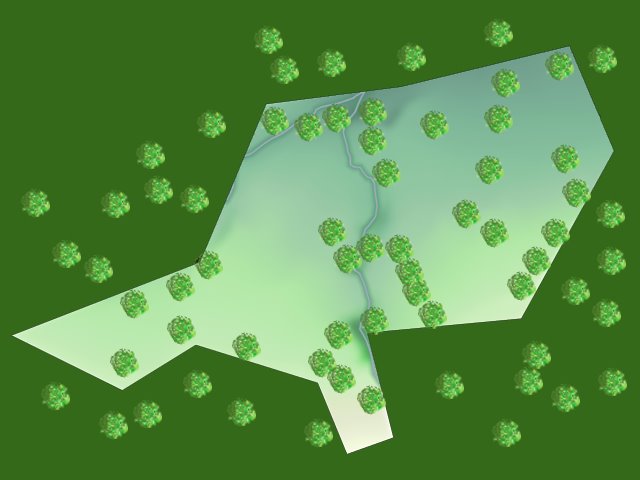
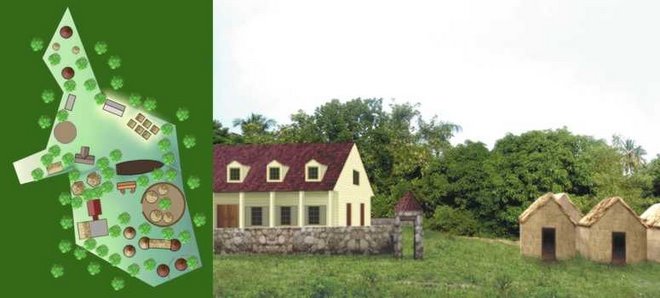
The land for the vision has been chosen, studied, surveyed, mapped, (see drawing) printed out, built as a 3D topographical relief model and is now in the hands of a group of dedicated architects and engineers committed to this patriotric (their own definition) work of giving form and putting on the flesh of each historical site designated in the actual village.

Land is marked by much history here in Haiti. Family inheritances are invested in the very soil their ancestors shed their blood on and have divided their land for the past 200 years providing a means for making a living for their children, their children's children and for generations.

The land being bought for "N a Sonje" is basically depleted farm land, pastureland or has simply been abandoned.

Tuesday, April 10, 2007

Letter to friends May 2005

A vision in process: A friend from the First Nation people named Beautiful Painted Arrow once said, "If you've had a vision and it's a true vision, all you can do is hang on for dear life!" With that kind of ancient wisdom, N a Sonje Foundation , (We Will Remember), a vision that reaches into our common history, our current present and our hope for the future with the loving intention of healing deep historic wounds, continues to breathe in life and exhale hope in spite of the long gap in communication with all of you who have been supporting this vision for these past couple of years. Even though there was a seemingly dormant time throughout 2003 and 2004 because political turmoil made it nearly impossible to make much progress on the materialization of the Memory Village, the spiritual and thus material reality of N a Sonje are still very evident. We know that, in spite of the drying up of springs, lack of rains, the rampant kidnappings, political killings, the rise in gas prices, transportation and food costs, lack of electricity, the despair, that change within each of us, our families, our communities and countries is and maybe the only hope for a future still possible.
Brief Summary of Things Done to Date: Having been part of the birth and nurturing of this vision, we offer you this short update of some of the main activities: a promotional video in Creole finished at the end of 2002 along with television appearances and radio broadcasts on major stations. In September 2003, we began a weekly radio program dedicated to history and remembering that completed a series of 36 shows in March 2005. Current work: Due to the success of the radio program we have begun to receive speaking engagements with youth groups here in Haiti concerning our respective histories that is reflected in our present situations, how slavery is still present mentally, politically and economically!
Land Situation: Close to 50 % of the total property has been paid for already with your help as well as a major part by contributions from DOA/BN. The continual hope of land sales has been a balm for the families of those who are selling their lands to the Memory Village our first major project. When family members near their time of passing over, the burden of funerals fall on the Foundation's shoulders as the sale of family land is the community’s main hope for dignified funerals.

Saturday, April 7, 2007

Contact Information:

N a Sonje Foundation
http://nasonje.blogspot.com http://3innocents.blogspot.com
email: nasonje@gmail.com
011-509-511-5580 (home in Haiti)
Ari's cell: 011-509-455-7881 Carla's cell: 011-509-480-3292
Internet phone, 303-847-0590 (works as sporadically as internet and enough electricity allows)
Skype name: Bluntschli doabn (same as the internet phone)
Mailing address in the US : Bluntschli Fondasyon N a Sonje c/o Lynx Air, PO Box 407139 Ft. Lauderdale, FL 33340-7139
Mailing address in Haiti: PO Box 15451 HT 6140 Petionville, Haiti

For more info about our past 3 month spring tour in 2006 benefitting the Memory Village see this google groups site: http://groups.google.com/group/nasonje

For internet info on N a Sonje check the DOA/BN website at this page
www.haititravels.org/underconstruction.htm or
www.haititravels.org/Nasonje.doc (download)

Sunday, April 1, 2007

Steps to a Day in the Memory Village

Memory Village "N a Sonje"
Visitors are invited to relive, actively, the reality of the life and experiences of: Africans, slaves and revolted free blacks in the Americas. This historical village includes 7 (seven) main sites:
Title 1: Preparation
Site: Initiation house
Activities: Personal and group preparations; both spiritual and physical.
Title 2: Ancestors
Site : Africa-Europe
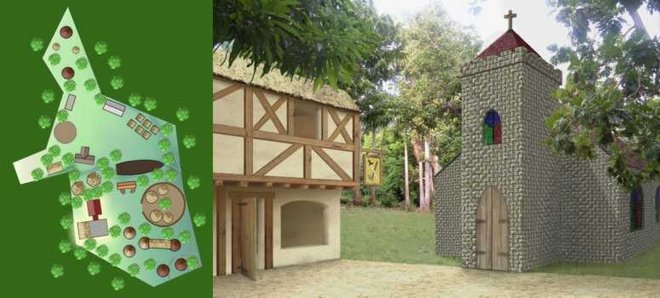
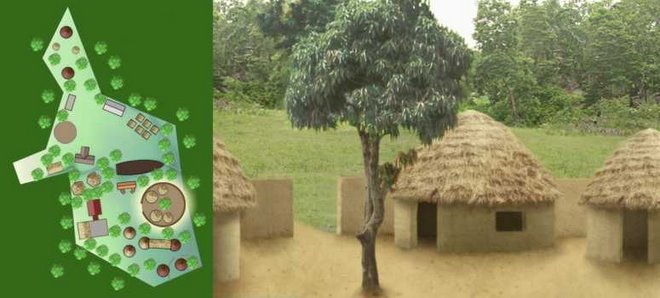
Activities: Experience aspects of peaceful daily village life of one of the great African kingdoms before colonization and village life of Europe during the Dark Ages.
Title 3: Slave Trade
Site: Chains, prison, slave ship, auction block
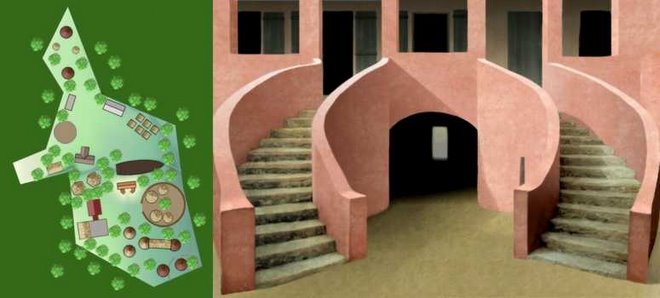
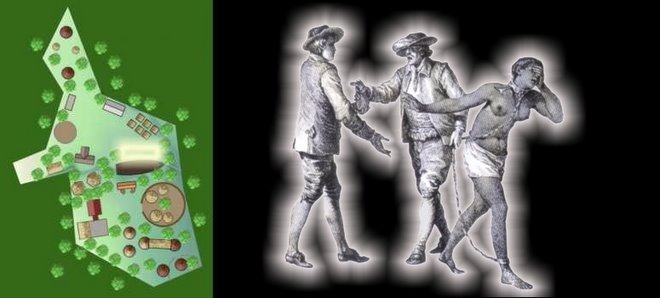
Activities: Relive the capture of Africans, conditions of the slave concentration camp waiting for shipment on a slave ship, the middle passage and the sale of slaves in chains in Kiskeya (one of the Taino names for the whole island) on the auction block.
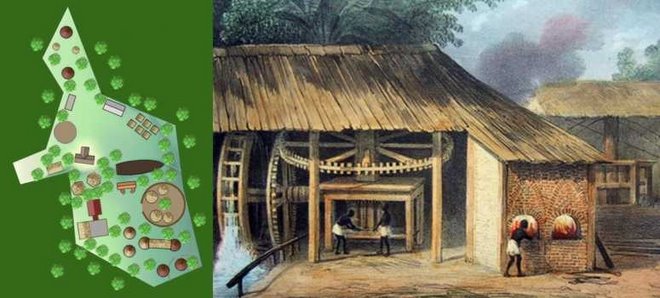
Title 4: Slavery
Site: Sugar Plantation
Activities: Experience the daily conditions of master and slave on the plantation during the colonial era.
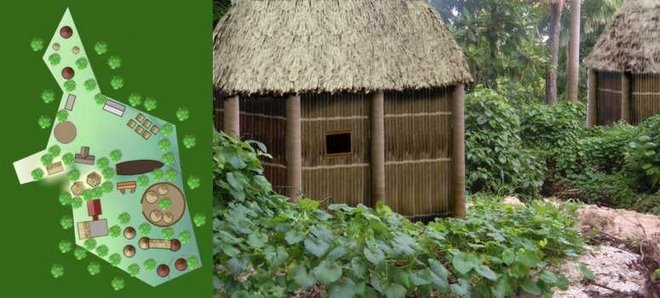
Title 5: "Mawon"
Site: Taino and African-Haitian encampment
Activities: Relive the hospitable reception by the remaining Tainos to the escaped "Mawon" from the plantations as well as the sharing of cultural and scientific knowledge between the Tainos and African-Haitians.
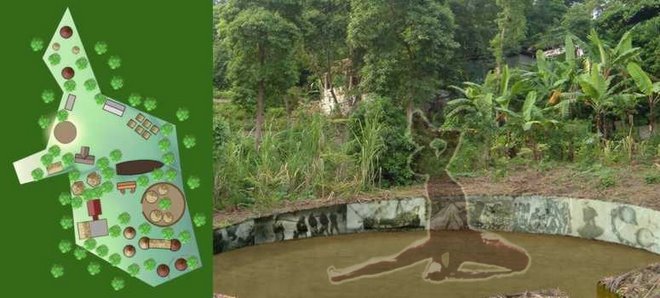
Title 6: Revolt
Site: Bwa Kayiman (name of original historical location)
Activities: Participate in a recreation of the sacred ceremony in order to commit to work for freedom and against all forms of domination and exploitation.
Title 7: Healing
Site: Fountain Monument
Activities: Enter the monument to meditate and share in group form about the possible actions for change in order to bring healing.